Chiptune Alchemy 3: Sega Genesis vs. SNES Sound
- Chiptune Alchemy
- Video game music
- Console audio hardware
- NES
- SNES
- Sega Genesis
· Aaron Lehnen
Into the 16-bit Console Era
Welcome back to Chiptune Alchemy! In our last post, we broke down how composers used sheer engineering magic to squeeze unforgettable melodies out of the original NES and the Japanese Famicom’s standard 5-channel limits.
But as the 1980s turned into the 90s, the video game industry entered a massive generational shift. The playground turf war between Nintendo and Sega wasn’t just fought with bit rates and blast processing; it was a battle of completely opposing audio philosophies.
For this entry, we are diving deep into the 16-bit hardware engines of the Sega Genesis (Mega Drive) and the Super Nintendo Entertainment System (SNES) to see how these fierce rivals changed game music forever.
Sega Genesis: The FM Synthesis Powerhouse
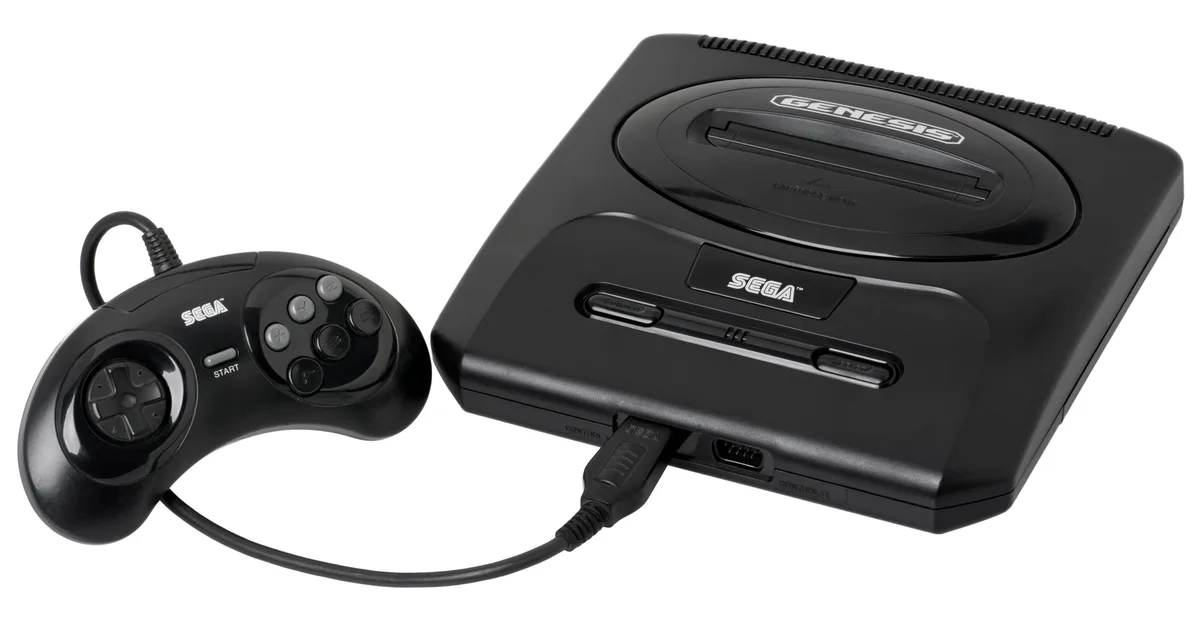
When Sega launched the Genesis, they bypassed traditional chiptune bleeps entirely. Instead, they loaded the console with the Yamaha YM2612, a dedicated 6-channel FM (Frequency Modulation) Synthesis sound chip.
FM synthesis didn’t just generate simple geometric waves; it used one complex wave (an operator) to rapidly modulate the frequency of another. If the NES sound chip sounded like an electronic toy box, the Genesis sounded like a gritty, industrial, late-80s arcade machine.
- The 6-Channel Grid: The YM2612 provided 6 independent FM channels. Channel 6 had a unique dual-purpose design—it could be toggled to act as a crude DAC (Digital-to-Analog Converter) sample channel to play back heavily compressed audio clips, famously pumping out digitized voices like the iconic, memory-hogging “SE-GA!” chime at the start of Sonic the Hedgehog.
- The Secret PSG Weapon: To ensure backwards compatibility with older Master System games, Sega also left the old Texas Instruments SN76489 (PSG) chip inside the console. Clever composers realized they could run both chips simultaneously, using the old 4-channel retro chip to handle high-pitched chime sound effects, freeing up the main Yamaha chip to focus completely on thick instrumentation.
- The Sonic Identity: Because FM synthesis is naturally great at recreating metallic, buzzy, and percussive textures, the Genesis became world-famous for its slappy, aggressive basslines, punchy synthesized brass, and crunchy drum samples that defined the soundtracks of Sonic the Hedgehog, Streets of Rage, and Shinobi III.
Super Nintendo: The Orchestral Sampler
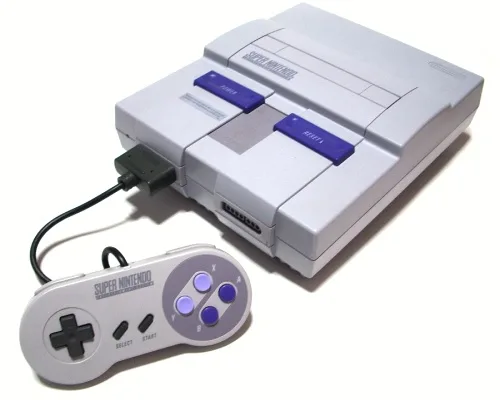
Nintendo took a radically different route. Rather than forcing composers to mathematically sculpt audio via synthesis, they designed the SNES around pure PCM (Pulse Code Modulation) audio sampling. Armed with Sony’s custom 16-bit SPC700 audio subsystem, the SNES didn’t generate waveforms natively—it played back real, pre-recorded audio instruments.
- 8 Channels of Stereo Freedom: The SPC700 provided 8 entirely independent audio channels, and unlike the rigid restrictions of the 8-bit era, every single channel featured full digital volume control, pitch modulation, and true stereo panning.
- The Hardware Echo Chamber: The SNES featured a built-in digital signal processor (DSP) capable of generating hardware-based reverb and delay effects in real time. Composers didn’t have to waste valuable audio channels repeating notes to trick the listener into hearing an echo like the did on the NES; the chip generated a rich, sweeping acoustic atmosphere automatically, giving games like Super Metroid and Chrono Trigger an incredibly cinematic, cavernous depth.
- The 64KB Memory Bottleneck: While sampling allowed for “realistic” guitars, orchestral strings, and rich horns, it came with a massive catch. The SPC700 only had a tiny, locked pool of 64 Kilobytes of audio RAM. Every single drum hit, instrument note, and line of audio code for an entire level had to fit into that microscopic space. To survive, developers downsampled audio files until they were tiny, relying on the console’s built-in interpolation algorithms to smooth out the jagged edges of the heavily compressed files. This compression is what gave the SNES its distinctively warm, muffled, and “reverb-heavy” acoustic signature.
Unlike the 8-bit generation—where Japanese Famicom cartridges used expansion pins to bypass console limits—Nintendo locked the 16-bit architecture down completely. Both the Super Famicom and SNES utilized the exact same self-contained Sony SPC700 sound engine. Whether you played a cartridge in Tokyo or New York, the audio capabilities were 100% identical.
Direct Comparison: 16-Bit Audio Architecture
| Audio Specification Metric | Sega Genesis (Yamaha YM2612 + PSG) | Super Nintendo (Sony SPC700) |
|---|---|---|
| Audio Generation Engine | 6-Channel FM Synthesis + 4-Channel PSG | 8-Channel Wavetable PCM Audio Sampler |
| Hardware Audio Effects | None (Must be faked via software programming) | Real-time Stereo Panning, Pitch Modulation, & Reverb/Echo |
| Sample Storage Limits | Streamed directly from the main game cartridge ROM space | Strict 64 Kilobyte dedicated Audio RAM buffer limit |
| Acoustic Signature | Sharp, bright, gritty, arcade-style metallic bite | Warm, soft, cinematic, muffled orchestral ambiance |
The Legacy of the 16-Bit Audio War
The contrast between these two chips created one of the most interesting creative splits in game/audio design history.
If a composer wanted to build a thumping, synth-heavy, electronic club soundtrack with aggressive, biting bass, the Sega Genesis was an absolute monster. But if a composer wanted to sweep players away with an orchestral, string-heavy fantasy epic or an atmospheric sci-fi score, the SNES sampler was a perfect catalyst. That being said, though, may be the general truth, there were exceptions on both sides.
Composers on both sides of the console war didn’t look at hardware limitations as a barrier—they treated them as a unique canvas, using sheer programming resourcefulness to write timeless symphonies that still influence modern music design today.
Closing Thoughts
Whether crafted through mathematical FM modulation, heavily compressed PCM samples, or custom expansion chips wired directly into cartridges, the 8-bit and 16-bit eras proved one thing: strict technical limits don’t stifle creativity—they demand it.
Tune-In Next Time for Part 4!
Now that we’ve broken down the technology powering the 16-bit audio war—from the FM synthesis bite of the Genesis to the PCM orchestral sampling of the SNES—it’s time to listen to the results in action.
Join us in Part 4: The 16-Bit Hall of Fame (Coming November 9, 2026), where we break down the definitive benchmark soundtracks across both 16-bit juggernauts, explore the 8-bit expansion audio chips that started it all, and share modern genre reimaginings of these timeless compositions!
Reimagining the Classics: Chiptune Meets Modern Genres
Understanding the engineering limits of these chips is one thing—hearing how these composition frameworks translate into modern musical styles is another.
If you enjoy these iconic soundtracks and want to hear a modern reimagining of these classic franchise melodies through Prog Metal, Synthwave, Reggae, Rock, EDM, and other genre lenses, here is a showcase of my own cover arrangements:
8-Bit Reimagining (24)
My takes on familiar NES and arcade soundtracks.
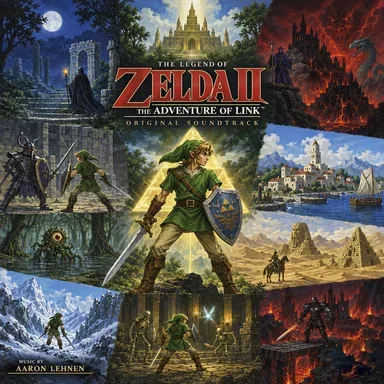 Zelda 2: The Adventure Of Link
Browse 16 tracks
- Link's Eternal Quest Continues (Title Theme)
- A New Adventure Begins Overworld
- Deep Into Candlelit Caves
- Hyrulean Treasures
- Healers Of Hyrule
- Surprise! Another Battle
- Leveled Up
- Traversing The Palaces
- The Bosses' Chambers
- The Crystal Altars
- House Of Error
- The Great Palace
- Final Boss: Dark Link
- Triforce Of Courage Obtained
- Princess Zelda Awakens
- Ending Credits
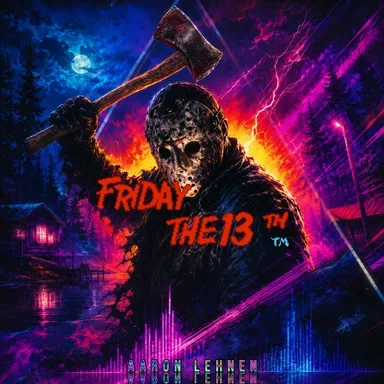 Friday The 13th (NES Soundtrack)
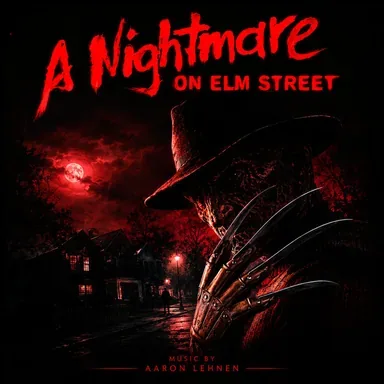 Nightmare On Elm Street (NES Soundtrack)
Browse 18 tracks
- Nightmare On Elm Street Title Theme
- Town Of Elm Street
- House 1
- House 2
- House 3
- Basement 1
- Freddy Krueger Incarnations' Boss Battles
- Junkyard
- Cemetary
- Freddy's Crack House (Unused in NES Game)
- Elm High School
- Basement 2
- Falling Asleep
- 1..2.. Freddy's Coming For You!!
- Freddy
- Wake Up Radio
- The End - Freddy Is Dead...
- Game Over
 Jaws (Extended Soundtrack)
 Wrecking Crew
 T & C Surf Designs - Wood & Water Rage
Browse 5 tracks
 R.C. Pro-Am
 Color A Dinosaur (NES)
Browse 4 tracks
 Galaga
 Kung Fu: Five Floors of Fury
Browse 10 tracks
- Opening The Pagoda
- Floor 1: The First Flight (Boss: Stick Fighter)
- Floor 2: The Snake Trap (Boss: Boomerang Thrower)
- Floor 3: The Big Brawl (Boss: Giant)
- Floor 4: The Mystic Hall (Boss: Magician)
- Floor 5: The Penthouse Showdown (Boss: Mr. X)
- Boss Battles (General Mandate Arrangement)
- Stage Cleared & Bosses Defeated
- Saving Sylvia
- Game Over
 DuckTales: Riches, Relics, & Moonlight
Browse 17 tracks
- Title Theme (NES)
- Map Room Land Select
- Level Intro
- Jungle (The Amazon)
- Invincibility
- Ghost House (Transylvania)
- Boss Battles
- Treasure Acquired & Level Completed
- Underground (African Mines)
- Lose Life
- Game Over
- Snow Mountain (The Himalayas)
- Launchpad - Gyro Bonus
- The Moon Surface
- Bonus Track: DuckTales Cartoon Theme
- Bonus Track: Transylvania (Prototype)
- Bonus Track: DuckTales Theme Alt Take
 Super Mario Bros. 2: Panic in Subcon
 Super Mario Bros. 3: All The Worlds Staged (Double Album)
Browse 41 tracks
- World 1 - Grass Land
- Overworld
- Cursed King's Throne Room
- Airship
- World Conquered King Restored
- World 2 - Koopahari Desert
- Underground
- World 3 - Sea Side
- Under Waterworld
- Got A Card! Fireworks Fanfare
- Music Box
- World 4 - Big Island
- Hammer Bros.
- Fortress
- Fortress & Airship Bosses - Koopa's Kids & Boom Boom.wav
- World 5 - The Sky
- Athletic
- Course Cleared
- Toad's House
- Super Star Power
- World 6 - Iced land
- Miss Lost Life
- Game Over
- Whistle To Warp Island
- World 7 - Pipe Maze
- N-Spade Memory & Slots
- World 8 - Dark Castle Of Koopa
- Bowser, King of Koopas.
- Ending & Credits
- Overworld (Sped Up)
- Under Waterworld (Sped Up)
- Athletic Theme (Sped Up)
- Hammer Bros. (Sped Up)
- Super Power Star (Sped Up)
- Toad's House (Sped Up)
- Underground (Sped Up)
- Warp island/Coin Heaven (Sped Up)
- Fortress (Sped Up)
- Koppa Kids & Boom Boom (Sped Up)
- Airship (Sped Up)
- Bowser, King Of Koopas (Sped Up)
 Super Mario Bros.
Browse 17 tracks
- Overworld Ground Theme
- Level Complete
- Underground Tunnels
- Death, Player Down
- 1UP
- Underwater Swim Theme
- StarMan Invincibility
- Koopa's Castle
- Princess Is In Another Castle
- Ending
- Warning
- Overworld Ground Theme (Hurray, Sped Up)
- Underground Tunnels (Hurray, Sped Up)
- Underwater Swim Theme (Hurray, Sped Up)
- StarMan Invincibility (Hurray, Sped Up)
- Koopa's Castle (Hurray, Sped Up)
- Game Over
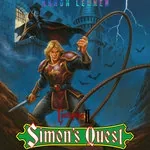 CastleVania 2: Simon's Quest
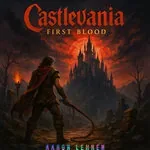 CastleVania: First Blood
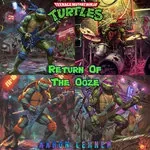 Teenage Mutant Ninja Turtles (NES): Return of the Ooze
Browse 18 tracks
- Introduction Title Theme
- Level 1 Theme Overworld
- Underworld Sewers
- Difficult Fight Mini-Boss
- Level Clear
- Level 2 Theme Dam
- Turtle Captured
- Underwater Scene
- Hurry! PANIC!! Dam Explodes
- Game Over
- Level 5 Theme/Base
- Base Underworld Caverns
- Main Boss Shredder
- Shredder Defeated
- Epilogue
- (Bonus) Movie Theme - Turtle Rhapsody
- (Bonus) TMNT Cartoon Theme
- (Bonus) TMNT Cartoon Theme (Instrumental)
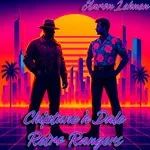 Chiptune 'N Dale Retro Rangers (NES OST)
Browse 20 tracks
- Chip 'n Dale Title Theme
- Zone 0
- Bonus Zone
- Zone A, C, E
- Overworld Map
- Zone B
- Power Up
- Zone D
- Death
- Zone F, H I
- Game Over
- Zone G
- Zone Clear
- Zone J
- Boss Theme
- Ending
- (Bonus Track) Cartoon Title Theme - Rock Version
- (Bonus Track) Cartoon Title Theme - Rock Instrumental Version
- (Bonus Track) Zone J - Rock Version
- Retro Rangers Medley SloWave Remix
 Punch-Out: Round 1
Browse 22 tracks
- Punch-Out Theme (Introduction)
- Round Begins
- Fight!!
- Glass Joe
- Von Kaiser
- Winning
- Won Match
- Title Bout
- Piston Honda
- New Champ!
- Training Montage
- Don Flamenco
- King Hippo
- Get Up, Mac!!
- Lost Match
- Game Over
- Soda Popinski
- World Champion
- The Dream Fight!!
- Punch-Out Theme (Reprise)
- [Bonus Track] Fight Remix
- [Bonus Track] Super Punch-Out!! 8-Bit Demix
 Life Force: Phoenix Ascends
 Super Dodge Ball (NES) OST: Dodge This!
 The Legend of Zelda
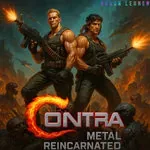 Contra (NES): Metal Reincarnated
Browse 14 tracks
- Title Theme (Extended)
- Story Introduction (JP)
- Area 2 - Inside Enemy Base 1
- Area 3 - Waterfall
- Area 4 - Inside Enemy Base 2
- Boss Battle: Core Of The Enemy
- Area Clear
- Area 5 - Snow Field
- Area 6 - Energy Zone
- Area 7 - Hangar
- Area 8 - Alien's Lair
- Alien Dead - All Clear
- Ending/Credits
- *Bonus Track*: Area 1 - Jungle (Alien Jungle Remix)
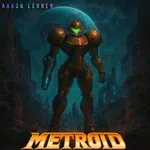 Metroid
16-Bit Reimagining (3)
From the Genesis to the SNES, these melodies still have plenty of places to go.
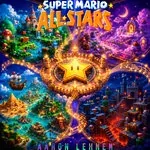 Super Mario All-Stars: Dreams, Kingdoms & Super Stars
Browse 93 tracks
- Presents - Logo Jingle (Deluxe)
- All-Stars Title Theme (Deluxe)
- Screen Up & Down (Deluxe)
- Game Select (Deluxe)
- SMB1 - Title (Deluxe)
- SMB1 - Overworld Ground Theme (Deluxe)
- SMB1 - Level Complete
- SMB1 - Tunnel Transition
- SMB1 - Underground Tunnels (Deluxe)
- SMB1 - Death, Player Down (Deluxe)
- SMB1 - Game Over (Deluxe)
- SMB1 - 1UP
- SMB1 - Bonus Game (Deluxe)
- SMB1 - Underwater Swim Theme (Deluxe)
- SMB1 - StarMan Invincibility (Deluxe)
- SMB1 - Koopa's Castle
- SMB 1 - King Koopa's Clones (Deluxe)
- SMB1 - The Princess Is In Another Castle (Deluxe)
- SMB1 - Final King Koopa (Deluxe)
- SMB1 - Ending (Deluxe)
- Lost Levels - Title (Deluxe)
- Lost Levels - Ending (Deluxe)
- SMB2 - Intro Title Theme (Deluxe)
- SMB2 - Please Select Player (Deluxe)
- SMB2 - Overworld
- SMB2 - Birdo & Other Boss Battles
- SMB2 - Boss Victory
- SMB2 - Underworld
- SMB2 - World Course Clear
- SMB2 - Miss/Lose
- SMB2 - Game Over
- SMB2 - Bonus Chance (Deluxe)
- SMB2 - Sub-Space Potions (Deluxe)
- SMB2 - Warp (Deluxe)
- SMB2 - Power-Up Fanfare (Deluxe)
- SMB2 - Secret Stars (Deluxe)
- SMB2 - Final Boss - Wart (Deluxe)
- SMB2 - Ending (Deluxe)
- SMB3 - Title (Deluxe)
- SMB3 - World 1: Grass Land
- SMB3 - Overworld (Deluxe)
- SMB3 - Cursed King's Throne Room
- SMB3 - Airship
- SMB3 - World Conquered King Restored
- SMB3 - World 2: Koopahari Desert
- SMB3 - Underground
- SMB3 - World 3: Sea Side (Deluxe)
- SMB3 - Under Waterworld
- SMB3 - Music Box (Deluxe)
- SMB3 - Got A Card! Fireworks Fanfare
- SMB3 - World 4: Big Island (Deluxe)
- SMB3 - Hammer Bros. (Deluxe)
- SMB3 - Fortress
- SMB3 - Fortress & Airship Bosses: Koopa's Kids & Boom Boom
- SMB3 - Princess Letters (Deluxe)
- SMB3 - World 5: The Sky
- SMB3 - Athletic
- SMB3 - Course Clear Fanfare (Deluxe)
- SMB3 - Toad's House
- SMB3 - Super Star Power (Deluxe)
- SMB3 - World 6: Iced land
- SMB3 - Miss Lost Life
- SMB3 - Game Over
- SMB3 - Whistle Sound ~ Warp Island (Deluxe)
- SMB3 - World 7: Pipe Maze
- SMB3 - N-Spade ~ Nervous Breakdown
- SMB3 - Bonus Win (Deluxe)
- SMB3 - Bowser Message (Deluxe)
- SMB3 - World 8: Dark Castle Of Koopa
- SMB3 - Bowser, King of Koopas.
- SMB3 - Chamber Opened (Deluxe)
- SMB3 - Ending (Deluxe)
- Warning
- SMB1 - Overworld Ground Theme (Hurry, Sped Up - Deluxe)
- SMB1 - Bonus Game (Hurry, Sped Up - Deluxe)
- SMB1 - Underground Tunnels (Hurry, Sped Up - Deluxe)
- SMB1 - Underwater Swim Theme (Hurry, Sped Up - Deluxe)
- SMB1 - StarMan Invincibility (Hurry, Sped Up - Deluxe)
- SMB1 - Koopa's Castle (Hurry, Sped Up)
- SMB1 - King Koopa's Clones (Hurry, Sped Up - Deluxe)
- SMB1 - Final King Koopa (Hurry, Sped Up - Deluxe)
- SMB3 - Overworld (Hurry, Sped Up - Deluxe)
- SMB3 - Airship (Hurry, Sped Up)
- SMB3 - Underground (Hurry, Sped Up)
- SMB3 - Under Waterworld (Hurry, Sped Up)
- SMB3 - Athletic (Hurry, Sped Up)
- SMB3 - Toad's House (Hurry, Sped Up)
- SMB3 - Warp Island/Coin Heaven (Hurry, Sped Up - Deluxe)
- SMB3 - Hammer Bros. (Hurry, Sped Up - Deluxe)
- SMB3 - Fortress (Hurry, Sped Up)
- SMB3 - Fortress & Airship Bosses: Koopa's Kids & Boom Boom (Hurry, Sped Up)
- SMB3 - Super Star Power (Hurry, Sped Up - Deluxe)
- SMB3 - Bowser, King of Koopas (Hurry, Sped Up)
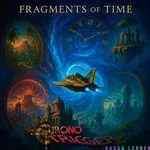 Chrono Trigger - Fragments of Time (EP)
 Sonic The Hedgehog (Genesis Extended)
Browse 30 tracks
- Intro/Title Theme (SEGA)
- Green Hill Zone (Act 1)
- Green Hill Zone (Act 2)
- Green Hill Zone (Act 3)
- Marble Zone (Act 1)
- Marble Zone (Act 2)
- Marble Zone (Act 3)
- Act Clear
- Special Stage
- Chaos Emerald
- Spring Yard Zone (Act 1)
- Spring Yard Zone (Act 2)
- Spring Yard Zone (Act 3)
- Labyrinth Zone (Act 1)
- Labyrinth Zone (Act 2)
- Labyrinth Zone (Act 3)
- Drowning (I Can't Breath)
- Continue or Game Over?
- 1-Up (Extra Life)
- Invincibility (Try me)
- Star Light Zone (Act 1)
- Star Light Zone (Act 2)
- Star Light Zone (Act 3)
- Dr. Robotnik Theme (Boss Battle Egghead)
- Scrap Brain Zone (Act 1)
- Scrap Brain Zone (Act 2)
- Scrap Brain Zone (Act 3)
- Final Zone, Final Robotnik
- Ending Theme - All Complete
- Credits (End)
Original game soundtracks (8)
Music I composed for games, including NES homebrew and VR projects.
 Eschaton: Battle For Eternity (Vol.1)
Browse 11 tracks
- Title Theme
- Level 1 - The Mission
- Level 1 Boss - Mothership Z
- Level 2 + Boss - Cosmic Crimson Cobalt
- Level 3 - Fantasy Gravity
- Level 3 Boss - Piranha Dragons
- Level 4 + Boss - Odyssey Of The Space Leviathan
- Level 5 - Battle For The Galaxy
- Level 5 - Final Boss Elohssa
- Ending Credits - Hero Of Tomorrow
- Game Over
 CUBE (NES Soundtrack)
 Orchstral Cube
Browse 11 tracks
 Android Scavengers (Game Soundtrack)
 We Are Darkness (VR Game Soundtrack)
 Expedition Aurora (VR Game Soundtrack)
 Elemental Runes (Game Soundtrack)
Browse 9 tracks
 Underwater Chronicles (Game Soundtrack)
Game music compilations (2)
Game themes collected across different worlds and consoles.
 Splash (Water Themed VGM Compilation)
Browse 13 tracks
- Wave Race 64 - Title Theme
- Vectorman - Tidal Surge
- T & C Surf Designs - Wood & Water Rage (NES)
- Sonic 3 - Hydrocity Act 2
- Mega Bomberman - Slammin' Sea
- Mega Man 2 - Bubble Man
- TMNT (NES) - Underwater Theme
- Donkey Kong Country - Aquatic Ambience
- LoZ: Ocarina of Time - Zora's Domain
- Super Adventure Island - Drop Into A Walk
- Kirby's Dream Land - Float Islands
- Knuckles' Chaotix - Seascape (Marina Madness Theme)
- Plok! - Beach
 Under The Covers: 12 Nights of Horror
A film-and-game collection; the game tracks are listed here.
Browse 2 tracks
Game singles and arrangements (11)
Standalone releases, including alternate arrangements.
 Sonic Adventure 2: Stage 1 - City Escape (Escape from the City)
 Legacy Of The Wizard - Opening Theme
 DOOM - E3M1 (Mouth For War)
 Batman (NES) - Underneath The City (Stage 3)
 Street Fighter 2 - Sagat Theme (Metal Version)
 Ninja Gaiden - Unbreakable Determination (Act 4 Scene 2)
 T & C Surf Designs - Wood & Water Rage (NES)
 TMNT Underwater Theme (NES)
 Nightmare on Elm Street Theme (NES - Metal Arrangement)
 Silent Hill Promise (Reprise)
- We Are Darkness (VR Game Soundtrack) — Cinematic Orchestral Collection
Original music with a retro game connection (5)
Original pieces drawing on game music, chiptune sounds, and retro imagery.
 [8-Bit] Aurora (Pre-Evolution)
Browse 12 tracks
- Intro: InterDimensional [8-Bit]
- Liquid Galaxy [8-Bit]
- Psycho-Tropic Nebulae [8-Bit]
- Along The Cosmic Nile [8-Bit]
- East Sky [8-Bit]
- Celestial Romance [8-Bit]
- Wormhole [8-Bit]
- Solar Solace [8-Bit]
- Anti-Matter Aurora [8-Bit]
- Edge Of Space/Time [8-Bit]
- Outro: Exit... The Holographic Universe [8-Bit]
- Bonus: Secret Universe [8-Bit]
 Living Planet Nocturne
 Rapid Rhapsody
 The Adventurer
 Atari
An original single, rather than a game soundtrack cover.
Alongside the covers, you’ll find my original game scores and game-inspired pieces below. Choose “Listen here” to play an album or song while you read. 53 releases in all.
More of my music on Bandcamp ↗